Hatteras Island is narrow enough that the Atlantic sits on one side and Pamlico Sound on the other — so a shift from west to east wind can flip which side of the island (and which village) is actually worth the drive.
Some links on this page are Amazon affiliate links. As an Amazon Associate, Lucky Landing earns from qualifying purchases — at no extra cost to you. We only recommend gear we'd genuinely pack ourselves.
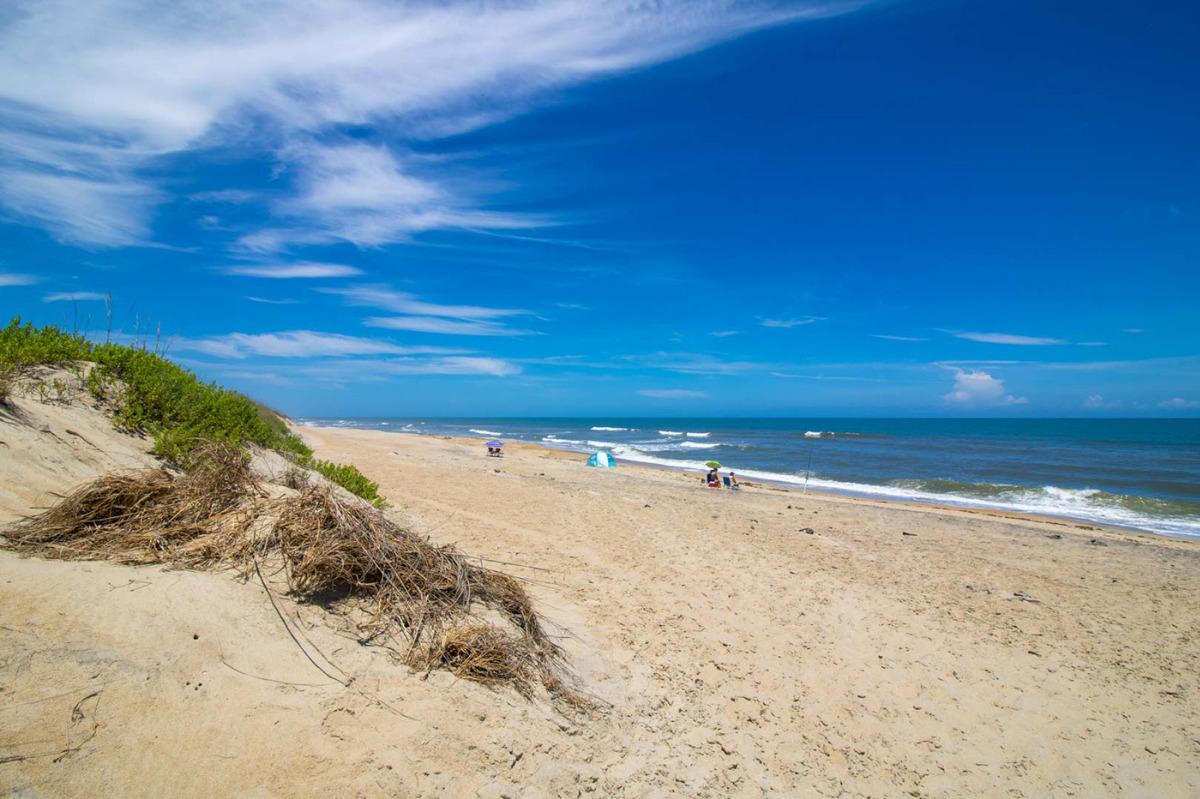
West, northwest, and southwest winds generally favor the Atlantic beach — they blow offshore or alongshore, keeping sand and spray down. East, northeast, and southeast winds blow straight onshore, making the ocean choppier and sandier, though they often make a sheltered soundside spot the better call instead.
Here's the part that surprises first-time visitors: the island bends at Cape Point in Buxton, and that bend is a real dividing line, not just a guidebook simplification — the National Weather Service's own daily surf forecast splits Hatteras Island into two separate zones right at that point, "north of Cape Hatteras" and "south of Cape Hatteras," because conditions genuinely differ between them. That's why Frisco or Hatteras Village can be the better call on a day when Avon or the Tri-Villages are getting hammered by the same wind.
| Wind | Best overall move | Why |
|---|---|---|
| Light, 0–10 mph | Any village works | Amenities, surf height, and crowds matter more than wind |
| W, NW, or SW | Ocean beach | Offshore/alongshore wind keeps sand and spray down; the Sound gets choppy instead |
| N, NE, E, or SE | Soundside, or Frisco/Hatteras Village | Onshore wind on the Atlantic; the island's southern bend offers more shelter |
| Strong, 15–20+ mph | Find a lee side or skip the beach | Blowing sand, hazardous umbrellas, chilled kids |
| East swell + W/NW wind | Surf day at Buxton/Cape Point | The classic clean-surf setup for this coast |
Often the best all-around ocean pattern — offshore wind keeps the beach comfortable, and with an east swell it can groom genuinely good surf. The tradeoff: this same wind blows hard across the Sound, so paddling or wading there gets choppy. "Offshore" doesn't mean "calm" — a hard 20-30 mph W/NW is still a windbreak day.
The classic hot-weather pattern, usually comfortable on the Atlantic in light conditions. Can carry biting insects toward exposed spots depending on your exact position, and turns hot/unpleasant once it builds past 15-20 mph.
Onshore on the Atlantic — breezy, blowing sand, choppier surf, and often the biggest reason a beach plan needs to change. Can worsen rip current risk, though the official forecast is what actually governs whether it's safe to swim. Frequently makes a sheltered soundside spot the better choice.
A mixed bag — still onshore for the Atlantic, but Frisco and Hatteras Village have shoreline angles that aren't simply straight-east-facing, so the southern villages can catch a break here that Avon and the Tri-Villages don't.
The Tri-Villages, Avon, Buxton, Frisco, and Hatteras Village are not interchangeable — the same forecast can mean a great day in one and a rough one in another.
Best when: light wind, or W-SW for oceanside comfort. Less appealing: strong NE/E on the ocean. Best for: family beach convenience, watersports, pier fishing.
Best when: light W-SW-NW — the flexible middle-island default. Less appealing: strong onshore E/NE. Best for: convenient beach days, Avon Pier fishing.
Best when: a real swell with light W/NW wind. Less appealing: heavy swell, crowds, closures. Best for: surf, surf fishing, scouting several exposures at once.
Best when: N/NE/E wind makes northern beaches unpleasant — the island's south-facing bend is a real "escape valve." Best for: family beach comfort when the rest of the coast is blown out.
Best when: you want the most wind flexibility — sound, inlet, ocean, and harbor options close together. Avoid: treating Hatteras Inlet as a casual swimming spot; inlets have fast, shifting currents and boat traffic regardless of wind.
Under 10-12 mph, W/SW/NW wind, low rip current risk. Morning arrival beats afternoon, since sea breeze typically builds through the day. Bring a low-profile windbreak — skip the tall umbrella in any real gust.
Separate "beach day" from "swim day." For an actual swim day: check the daily rip current flag, pick a lifeguarded spot if one's staffed, favor low surf, and keep kids close enough to touch bottom. Full rip current safety guide.
East swell with a west or northwest wind is the classic clean setup here. Buxton/Cape Point is usually the first place to check, since the bend changes exposure. See our full surfing guide.
Light W/NW/SW wind is easiest for casting; a gentle onshore breeze can help until it turns the water messy. Dawn, dusk, and tide movement matter as much as wind. Cleaner water and a visible cut beat the calmest-looking breeze.
Mosquitoes cluster near marsh, standing water, and Sound-side edges, especially at dawn, dusk, and after rain. A steady ocean breeze usually keeps them away — but if the wind is blowing from marsh or sound toward you, it can carry them right to an otherwise beautiful beach day. If bugs are bad soundside, the fix is usually simple: move oceanside, or pick a more open, wind-exposed stretch instead of a vegetated dune edge. For what actually works, see our full bug repellent guide.
If your plan includes driving onto the sand, wind and conditions matter beyond comfort — blowing sand and unstable water make for genuinely poor and sometimes unsafe driving days, on top of the standard permit and route rules. See our full ORV permit & ramp guide for cost, requirements, and the closest ramps to Avon.
Conditions change daily and sometimes hourly. These official sources have the latest:
Last reviewed for the current season. If you spot something out of date, let us know.
Fishing, best beaches, rip current safety, beach driving, surfing, and where to rent gear.
Back to Beach & Water GuideWorking from here? See our remote work guide for internet, power and backup plans.
Book your week and let the wind decide your next beach day.
Check Rates & Availability