Three connected villages just north of Avon — wide ocean beaches, a legendary watersports scene, one of the most decorated rescue stories in Coast Guard history, and the wildlife-rich edge of Pea Island.
Rodanthe, Waves, and Salvo are close together, but each has its own personality. Rodanthe has the most visible historic attractions, an oceanfront pier, and a cluster of restaurants. Waves is a center for soundside watersports, especially kiteboarding. Salvo is quieter and more residential, with wide beaches and easy soundside access.
Before the modern village names became standard, all three were known as the Chicamacomico Banks — North Chicamacomico became Rodanthe, South Chicamacomico became Waves, and Clarksville became Salvo.
| Village | Best for | Don't miss |
|---|---|---|
| Rodanthe | History & fishing | Chicamacomico Life-Saving Station, Rodanthe Pier |
| Waves | Watersports | Kiteboarding, soundside dining at sunset |
| Salvo | Quiet time | Salvo Day Use Area, a calm soundside sunset |
The Tri-Villages' most important historic attraction. Built in 1874, Chicamacomico was North Carolina's first operational U.S. Life-Saving Service station, dedicated to rescuing lives in peril from the sea. The site is remembered above all for the August 16, 1918 rescue of the British tanker Mirlo — after a German U-boat torpedo set the ship ablaze, Keeper John Allen Midgett led his crew through heavy surf to save 42 of the 51 sailors aboard. The crew was awarded the Grand Cross of the American Cross of Honor — to date, only 11 have ever been given, and six went to this crew — along with gold medals presented by King George V.
Today Chicamacomico holds the most complete surviving U.S. Life-Saving Service complex in the country, with original buildings and rescue equipment including the actual surfboat used in the Mirlo rescue. A historic Beach Apparatus Drill reenactment runs during the summer season — check current days and times before planning around it.
The historic site is at 23645 NC Highway 12 in Rodanthe, run by the nonprofit Chicamacomico Historical Association.
A classic Hatteras Island stop for anglers, families, and sunrise watchers — technically named the Hatteras Island Pier, and one of the more storied landmarks on the island. It's held a world-record red drum (caught in 1976) and appeared in several scenes of the film Nights in Rodanthe.
The pier house has bait, tackle, rod rentals, snacks, and restrooms; no individual North Carolina fishing license is needed when fishing directly from the pier. It's open seasonally, generally Easter through Thanksgiving, with hours that extend later in peak summer — check current hours, passes, and the fishing report before you go.
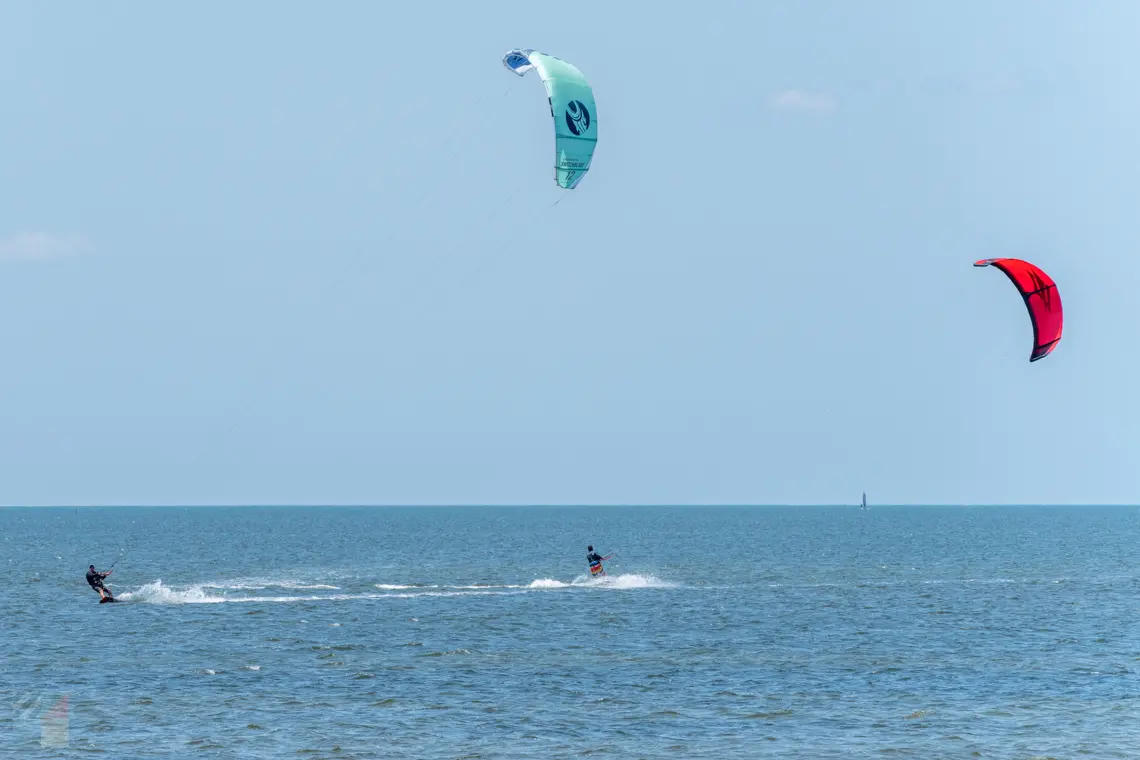
One of the best-known watersports destinations on the East Coast, alongside Canadian Hole further south. Soundside facilities are a great place to watch riders, take a lesson, or rent equipment — beginners shouldn't try kiteboarding without a qualified instructor.
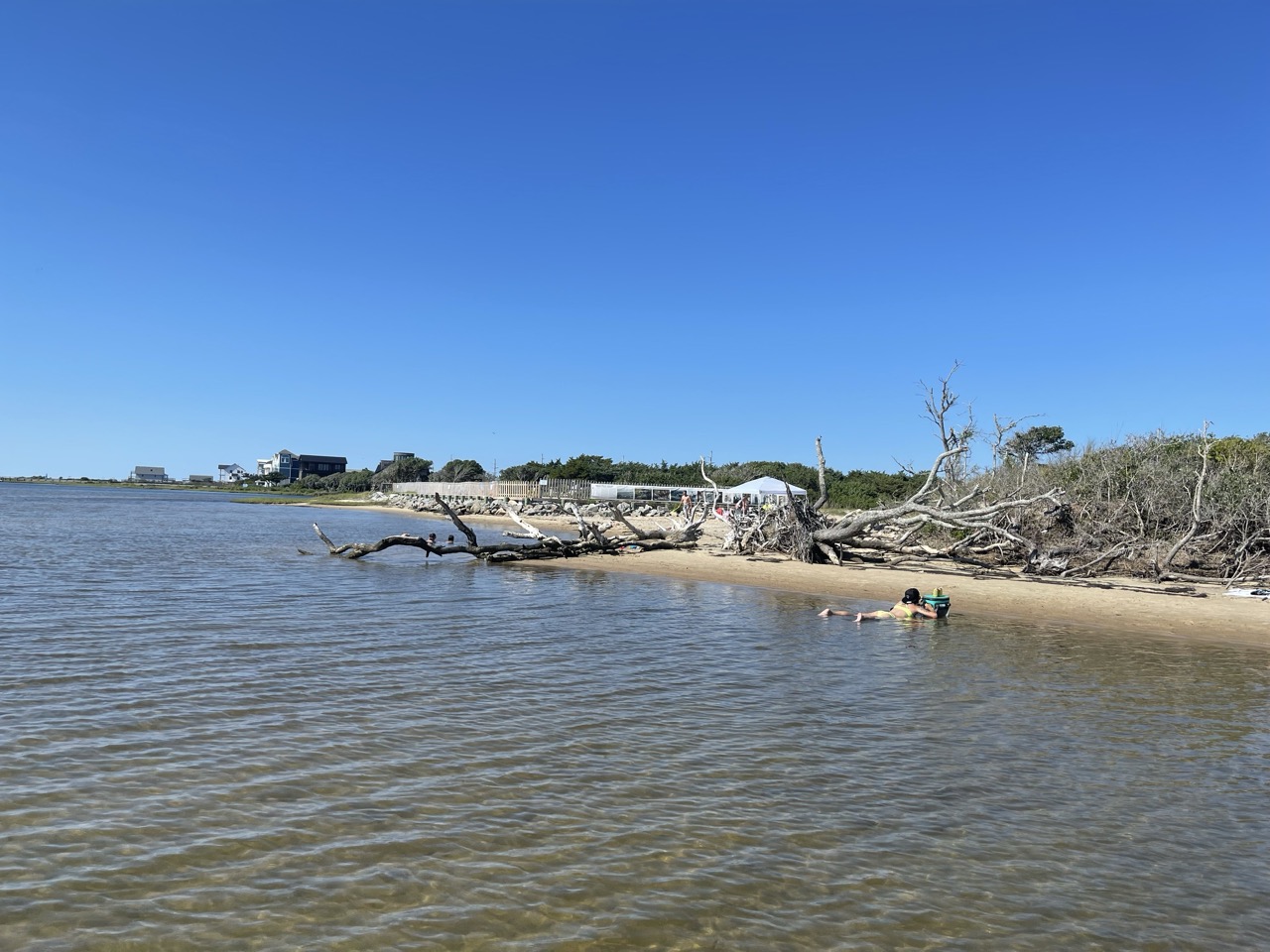
The Salvo Day Use Area is a soundside spot to launch a kayak or paddleboard, or just enjoy a picnic and a quiet sunset. The sound is generally calmer than the ocean, but wind can build quickly — check conditions and wear a life jacket.
Beginning just north of Rodanthe, Pea Island protects 13 miles of undeveloped barrier-island habitat between ocean and sound — a dramatic contrast to the more developed stretches of the island. The visitor center, about 8 miles north of Rodanthe, has wildlife exhibits, an observation deck, and trail access. Bring binoculars; migration season and winter waterfowl season are especially rewarding.
A soundfront deck, scratch-made wraps and seafood, and sunset views over the water where the kiteboarders launch. Generally open Mon-Sat, roughly noon-8pm.
Fresh local seafood, wine, and craft beer with wide Pamlico Sound views — a favorite for sunset dinner or watching kiteboarders while you eat.
Rodanthe and Waves also have casual pizza, taco, and coffee options for a quick beach-day meal — hours shift seasonally, so treat any specific business as worth a call ahead.
Rodanthe became familiar to many visitors through Nicholas Sparks' novel and the 2008 film adaptation, which put the village's oceanfront setting and stormy Atlantic atmosphere into the national imagination. The actual house used in filming was later moved from its original oceanfront spot due to erosion and is now privately owned — please don't treat it as a public attraction. Several pier scenes were filmed at Rodanthe Pier itself, which remains public.
Hours, tours, and seasonal schedules change. These sources have more:
Last reviewed for the current season. If you spot something out of date, let us know.
See the house, check rates, or start planning your Hatteras Island trip.
See the HouseBook your week and make the Tri-Villages an easy day trip from your own dock.
Check Rates & Availability