Home / Fishing / Surf Fishing
Where the world record was caught

Surf fishing Hatteras Island.

The all-tackle world-record red drum came out of these waters. Here's the rigs, species, and gear that actually make a difference — whether you're walking out from Avon Beach or driving down to Cape Point.

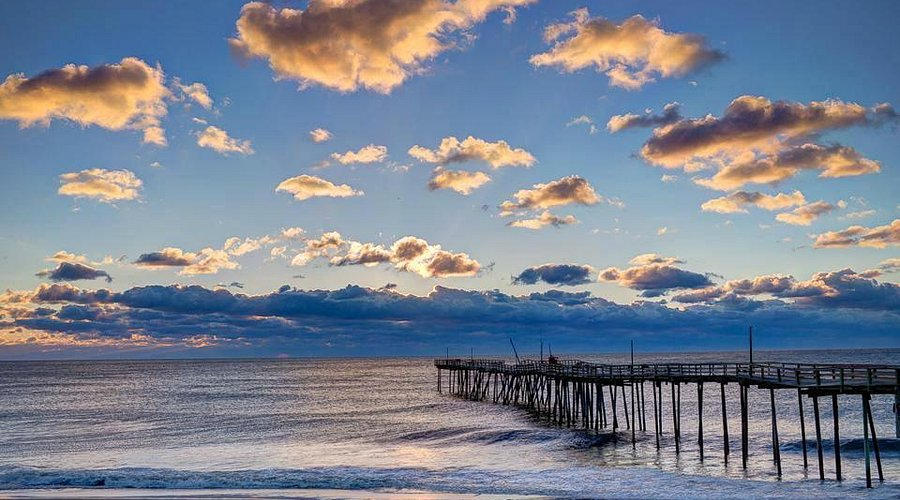
Surf fishing near the Avon Fishing Pier at sunset, Hatteras Island
Looking for the legendary spot? This page covers general surf fishing technique and gear. For the specific breaks and access, see our Cape Point guide and ORV permit guide.

Basic rigs that cover most situations

Affiliate links below — as an Amazon Associate, Lucky Landing earns from qualifying purchases, at no extra cost to you.

Fish-finder (sliding sinker) rig

The standard Hatteras surf setup. A pyramid sinker (2-5 oz depending on surf and current strength) slides freely on the main line above a swivel, leader, and single circle hook. Lets a fish pick up bait and move without immediately feeling the sinker's weight. Covers red drum, bluefish, and most bigger surf species.

Double-drop (high-low) rig

Two hooks on short dropper loops above a bottom sinker. Better for smaller bottom-feeders — sea mullet, spot, croaker — since it presents two baits at different heights without needing a big cast.

Circle hooks matter: they hook fish in the corner of the mouth rather than gut-hooking, making catch-and-release far safer for undersized or out-of-season fish you have to let go.

Target species by season

SeasonPrime speciesNotes
Fall (Sep-Nov)Red drum ("old drum")Peak season — big drum migrate south feeding heavily
Spring (Apr-May)Red drum, bluefishA second strong window as fish move north
SummerPompano, sea mullet, spotSmaller, more consistent, good for kids and beginners
WinterStriped bass (some years)Weather-dependent, fewer anglers on the beach

Bluefish, pompano, and sea mullet run through the surf across multiple seasons depending on water temperature — a local tackle shop's daily report is the fastest way to know what's actually biting. Want fresher bait than the shop sells? Learn to throw a cast net and catch your own finger mullet.

Reading the beach for surf fishing

The most productive water usually isn't the farthest cast. Look for sloughs (the deeper trough between the beach and the first sandbar), cuts in the sandbar where water funnels through, moving bait or diving birds, and changes in water color or current seams. Conditions shift day to day — what worked yesterday morning may not work this afternoon.

Gear worth having

🛒 A beach cart

If you're walking onto the beach or out a pier rather than driving, a cart with balloon or fat "beach" tires is genuinely worth it — one trip across soft sand with rods, sand spikes, a cooler, and chairs instead of three. Standard small-wheel carts bog down in dry sand; look for wide, low-pressure tires made for it.

🎣 Sand spikes

PVC or metal rod holders that plant in the sand, freeing your hands and letting you fish multiple rods at once — standard practice for surf fishing here.

🌊 A long surf rod

9-12 ft rods are standard for casting past the breakers and holding line steady against the wash. Pair with a reel that can hold enough line for a strong drum run.

🦟 Sun & bug protection

Dawn and dusk are prime fishing times and prime bug times. See our bug repellent guide for what actually works, and layer up for sun on long days.

Prefer a railing?

The Avon Pier puts you over deeper water with no individual licence needed and rods for rent — the easiest way into fishing here if you've brought nothing.

After you land one

How you handle a fish in the first ten minutes decides how it tastes. See our guide to cooking your catch — bleeding, icing, cleaning, and the grill.

License & access

Anyone 16 or older needs a North Carolina Coastal Recreational Fishing License (CRFL) to fish the surf — children under 16 are exempt. If you're driving onto the beach rather than walking on from a public access, you'll need a Cape Hatteras National Seashore ORV permit — see our full permit guide for cost and the closest ramps to Avon.

Verify it yourself

Regulations, seasons, and size limits change. These sources have the latest:

Last reviewed for the current season. If you spot something out of date, let us know.

Common questions

What's the best rig for surf fishing Hatteras Island?

A basic fish-finder (sliding sinker) rig with a pyramid sinker (2-5 oz depending on surf and current) and a single circle hook covers most species — red drum, bluefish, and pompano. Double-drop rigs work well for smaller bottom fish like sea mullet and spot.

Do I need a fishing license to surf fish on Hatteras Island?

Yes. Anyone 16 or older needs a North Carolina Coastal Recreational Fishing License (CRFL) to fish the surf. Children under 16 are exempt.

What's the best season for surf fishing on Hatteras Island?

Fall (September through November) is prime season, especially for large red drum ('old drum'), as fish migrate south and feed heavily before winter. Spring offers another good window; summer is more about smaller, more consistent action.

Is a beach cart worth bringing for surf fishing?

Yes, especially if you're walking onto the beach or out a pier rather than driving. A cart with balloon or beach tires can haul rod holders, a cooler, tackle, and chairs across soft sand in one trip instead of several.

More fishing on Hatteras Island

Sound fishing, inshore charters, kayak fishing, the island's freshwater ponds, the Avon Pier, and crabbing off the dock — plus how to throw a cast net for your own bait.

Back to Beach & Water Guide

Book your week and fish right from your own stretch of beach.

Check Rates & Availability